
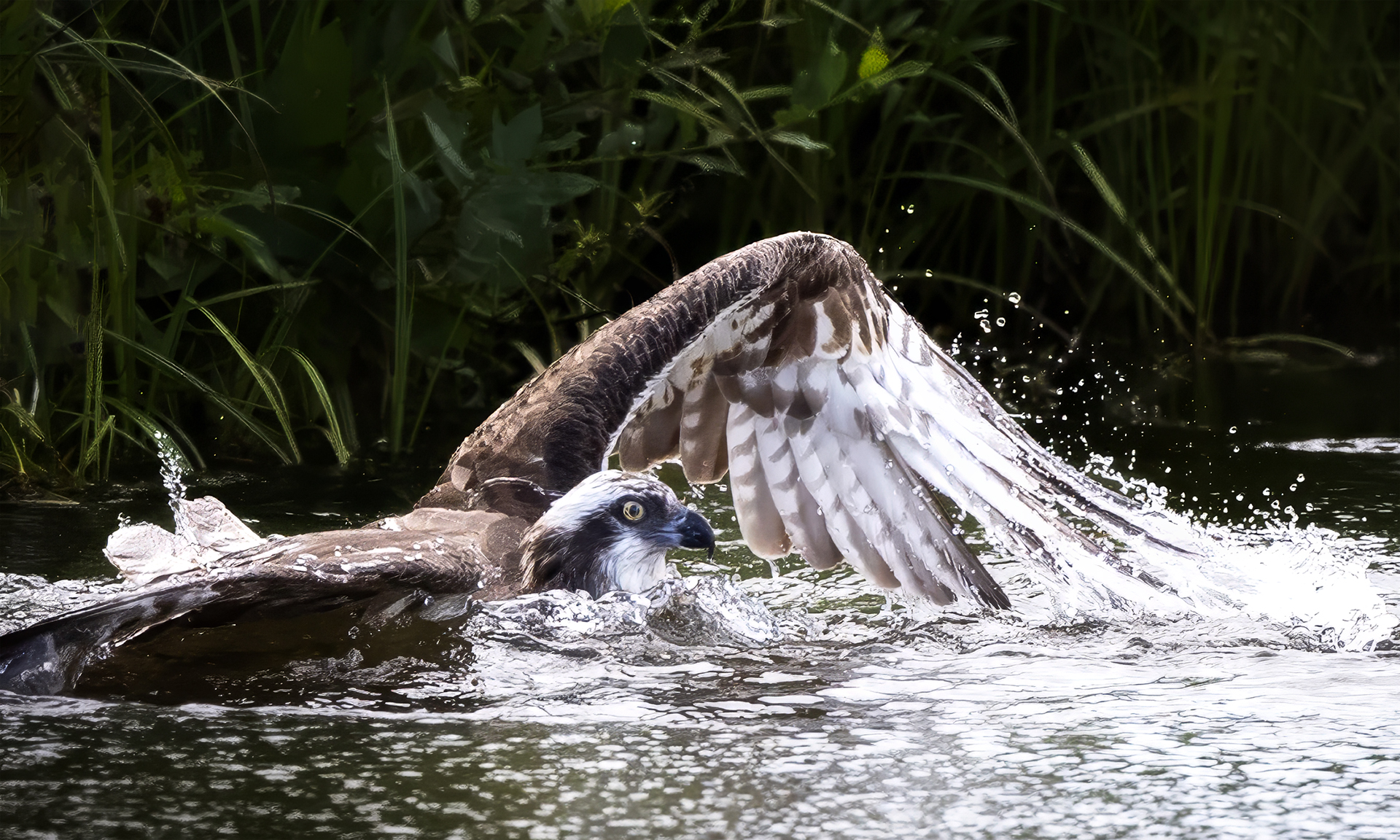
Located in the Pirkanmaa region of Finland, Pohtiolampi is one of the country’s best-known locations for osprey photography.
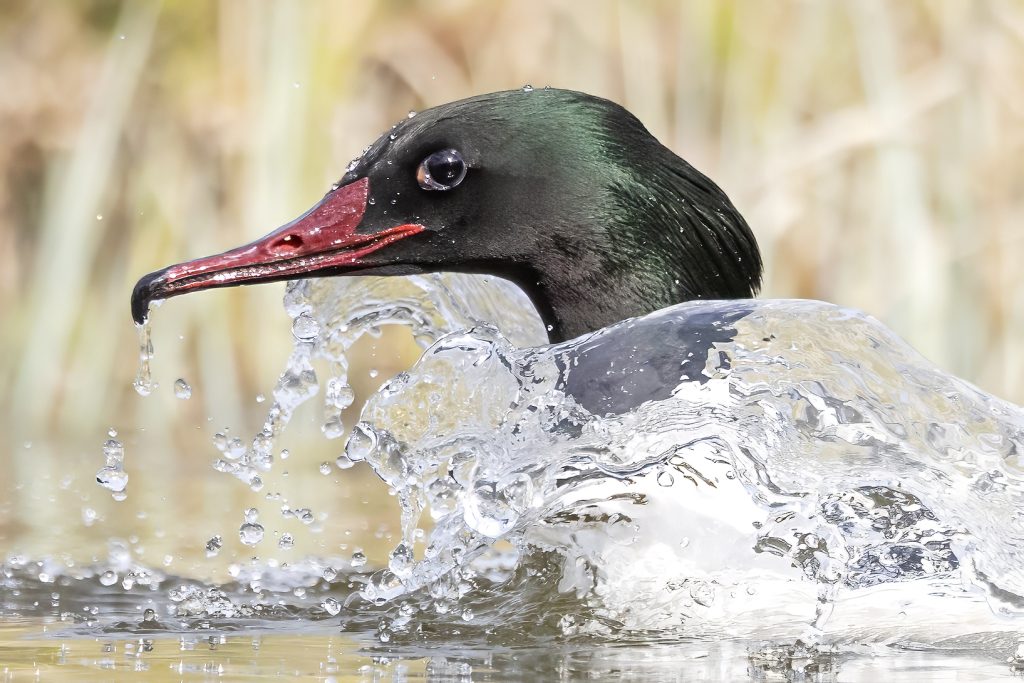
The shallow photography pools allow photographers to observe fishing ospreys from an exceptionally close distance. The pools are regularly stocked with wild fish caught in nearby waters, while purpose-built photo hides provide excellent opportunities to photograph not only ospreys but also species such as Grey Herons and Goosanders. Plans to expand otter research in the area may offer even more wildlife photography opportunities in the future.
Gear for Fast Action
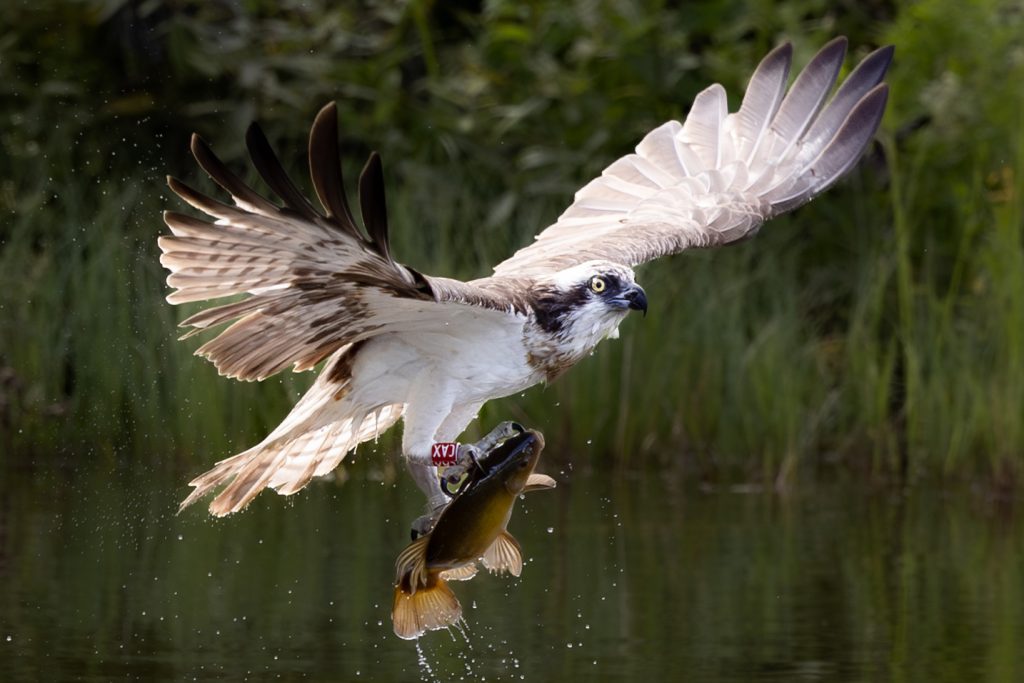
Pohtiolampi’s most famous visitor is the Red Baron, an osprey named after its distinctive red leg ring. The bird has returned to the pools for nearly twenty years and has become familiar to many photographers. Ospreys can live for up to 30 years, making it possible to follow the same individual over many seasons.
I have been photographing here for twenty years, says professional nature photographer Juha Erola, who manages the photography operation at Pohtiolampi and is currently writing a book about the Red Baron.
Erola usually photographs with a 70–200 mm lens, sometimes combined with a 1.4× teleconverter. Because the birds often come surprisingly close, he considers a fixed 600 mm lens too long unless the goal is to capture tight portraits. Besides choosing the right lens, autofocus performance – and the photographer’s own reaction speed – play an important role.
I don’t keep my camera attached to a support because, in my opinion, it’s easier to react to very fast situations when shooting handheld.
The hides are equipped with camera beanbags filled with peas and rice. They provide solid support while still allowing photographers to move quickly when the action changes.
Beyond the Classic Shot
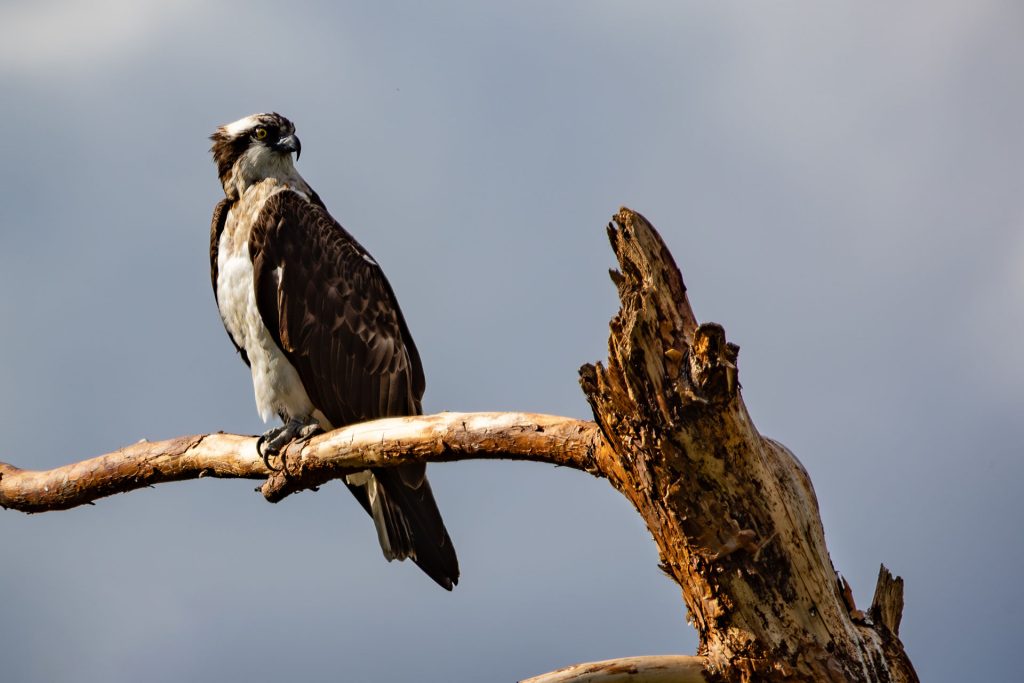
At Pohtiolampi, some ospreys – especially the Red Baron – often perch on a branch before diving for a fish. This is an excellent opportunity for portraits, as the bird may spend more than an hour stretching, watching the water and scanning its surroundings. When the head movements become quicker and more frequent, photographers should be ready.
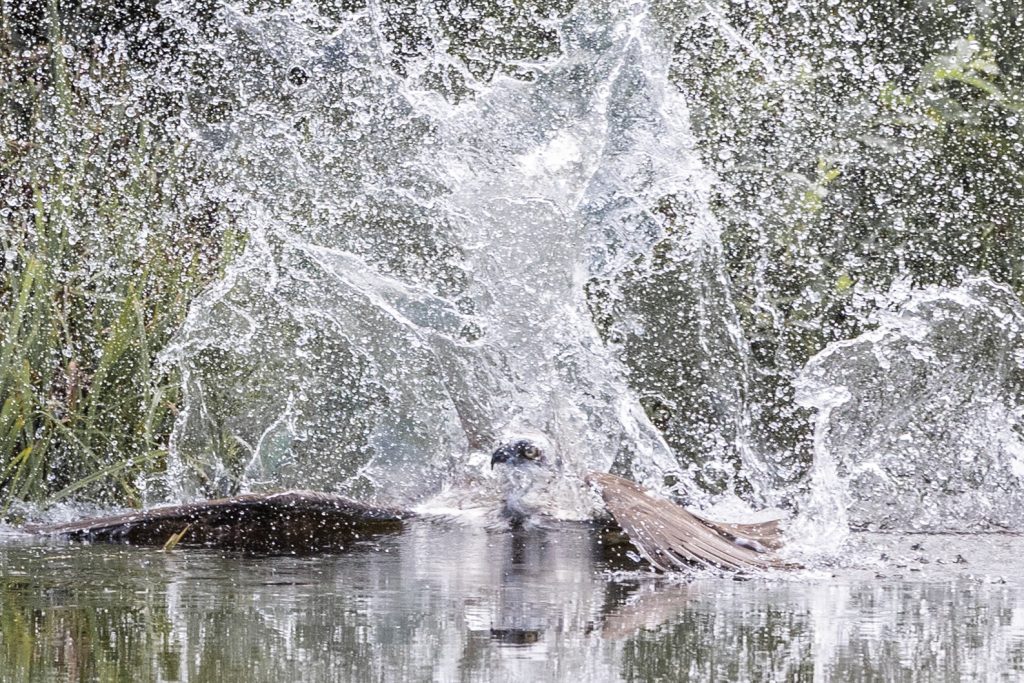
It is equally important to watch an osprey hovering over the pool. Once the bird begins its hunting dive, it can reach speeds of around 80 km/h (50 mph). Capturing the exact moment when its talons touch the water requires fast reactions. Other dramatic moments include the splash immediately after impact, the osprey lifting its catch from the water, and the bird turning the fish into a head-first position while flying away.
After capturing these classic images in different lighting conditions, photographers can start experimenting with slower shutter speeds to introduce motion blur while keeping the bird’s eye sharp.
Has every possible osprey photograph already been taken?
Erola doesn’t think so.
We are currently exploring the possibilities that shallow water offers for underwater photography.
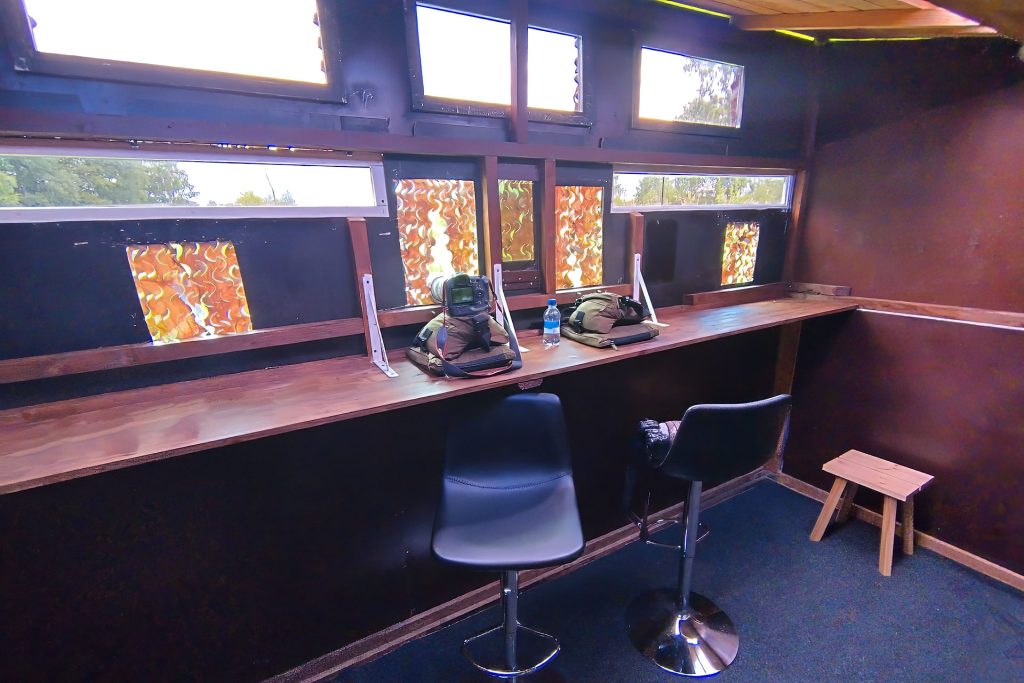
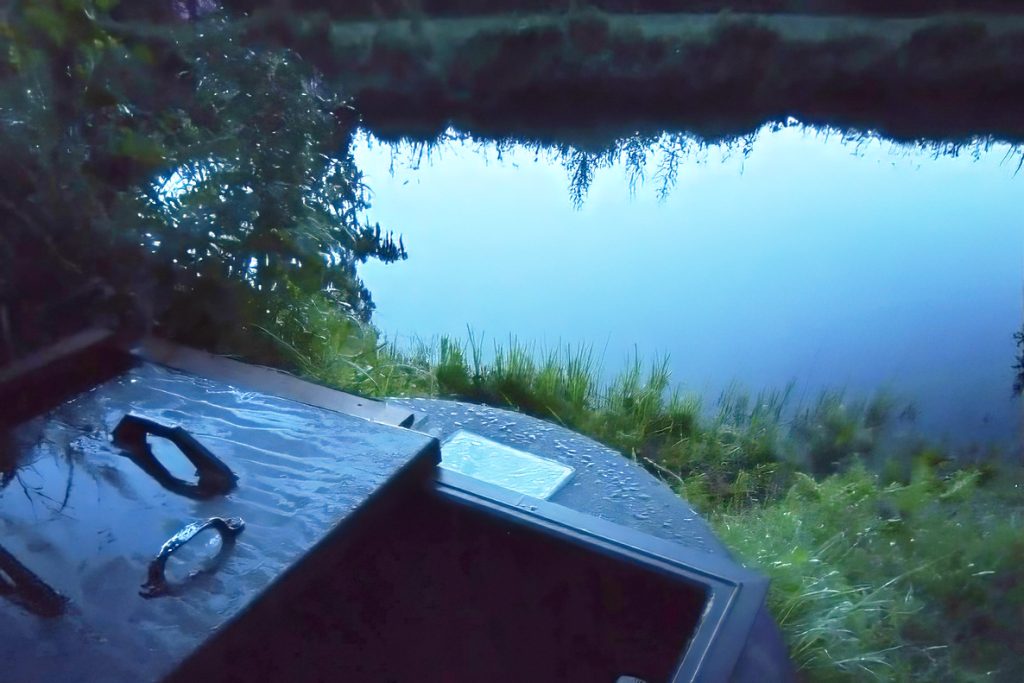
The hides at Pohtiolampi are booked for 23-hour sessions, starting at 5:00 pm and ending at 4:00 pm the following day. Photographers sleep in the nearby accommodation during the night, but returning to the hide well before sunrise can be rewarding. Early risers may even have the chance to photograph an otter hunting in the dawn light before the day’s osprey action begins.
Learn more: kesapaiva.fi