
Iberian Lynx – Protecting Through Photography
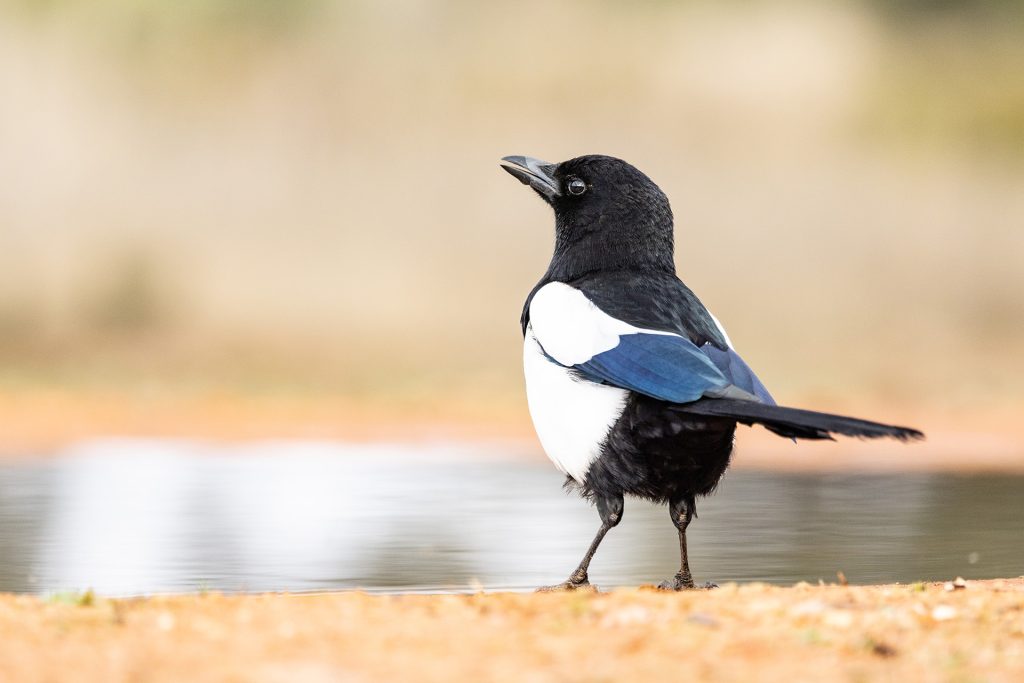
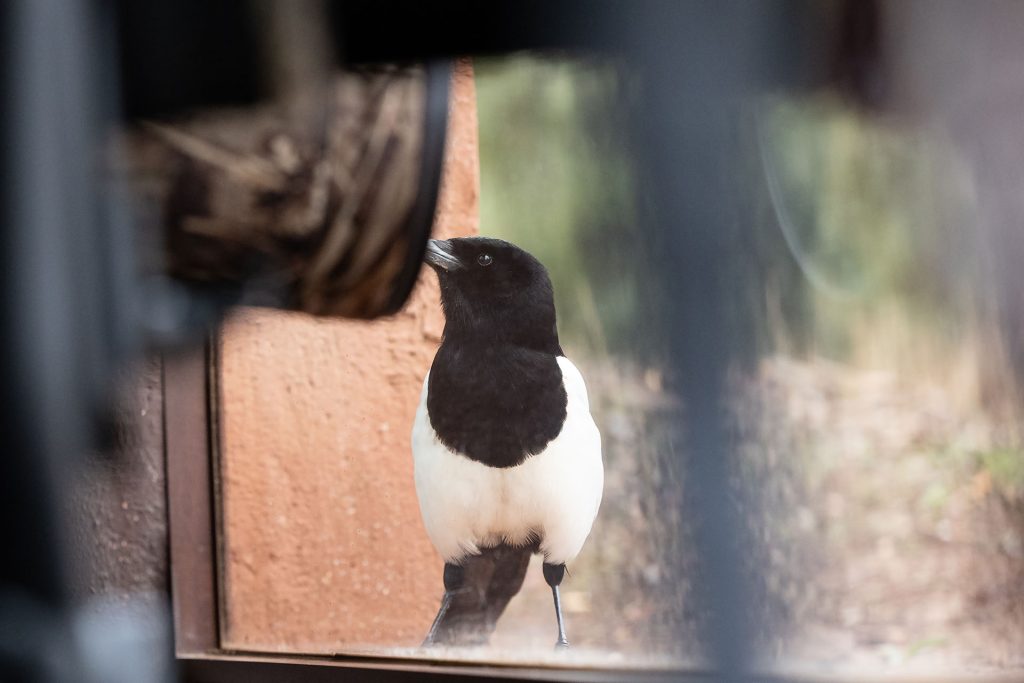
Magpies are bathing frantically in a small artificial pond. A hide built beside it is partially underground, allowing photography through one-way glass at eye level with the birds. One of the magpies approaches and begins to examine its reflection in front of the photographer. Some animals recognize their own image; others believe they are seeing a companion—or a rival. Suddenly, the magpie lets out a harsh cry and flies into the nearby trees, followed by the rest of the flock. The photographers remain completely silent inside the hide. What startled the magpies?
“The reaction of the magpies is a signal photographers should pay attention to,” says Antonio Liébana, a Spanish nature photographer and Sony Ambassador.
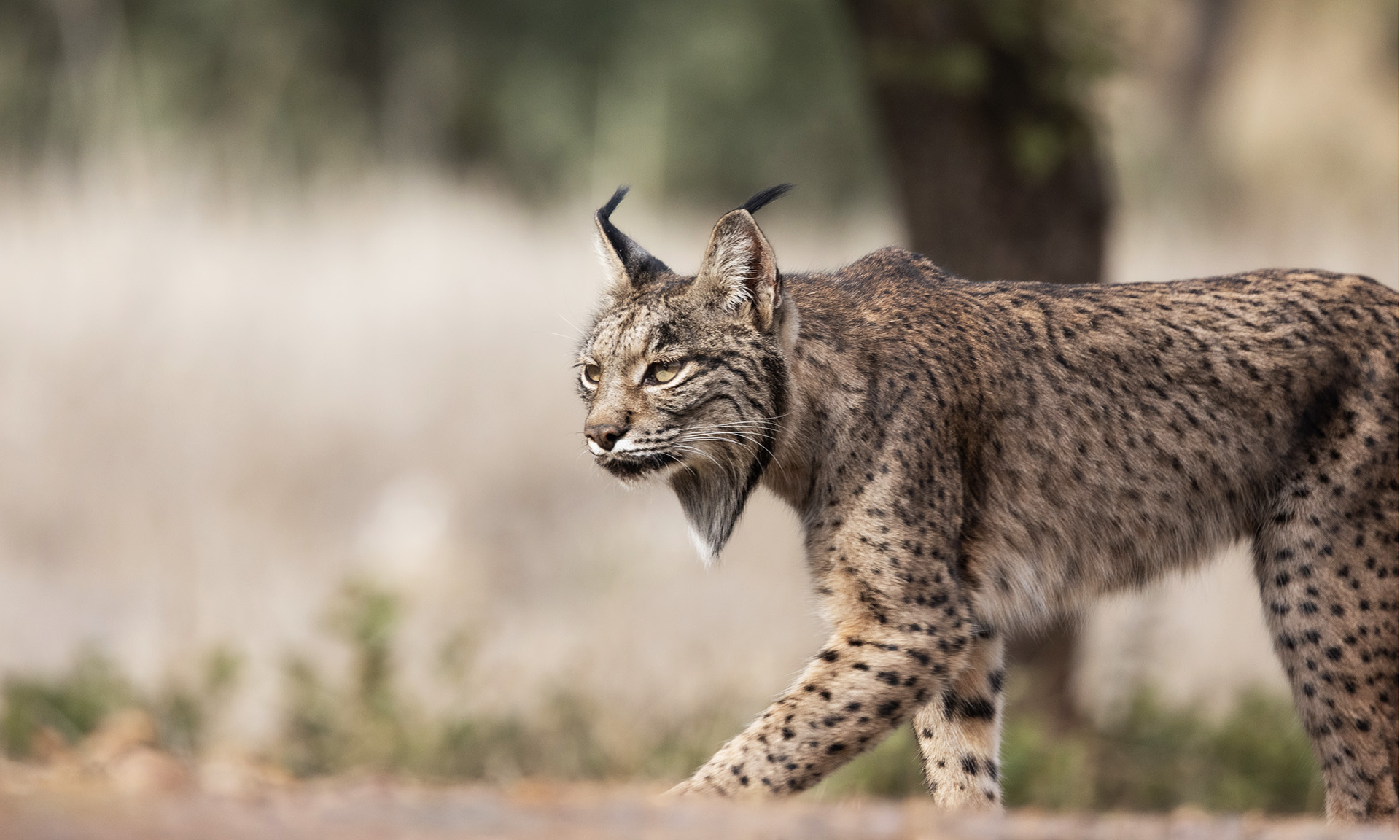
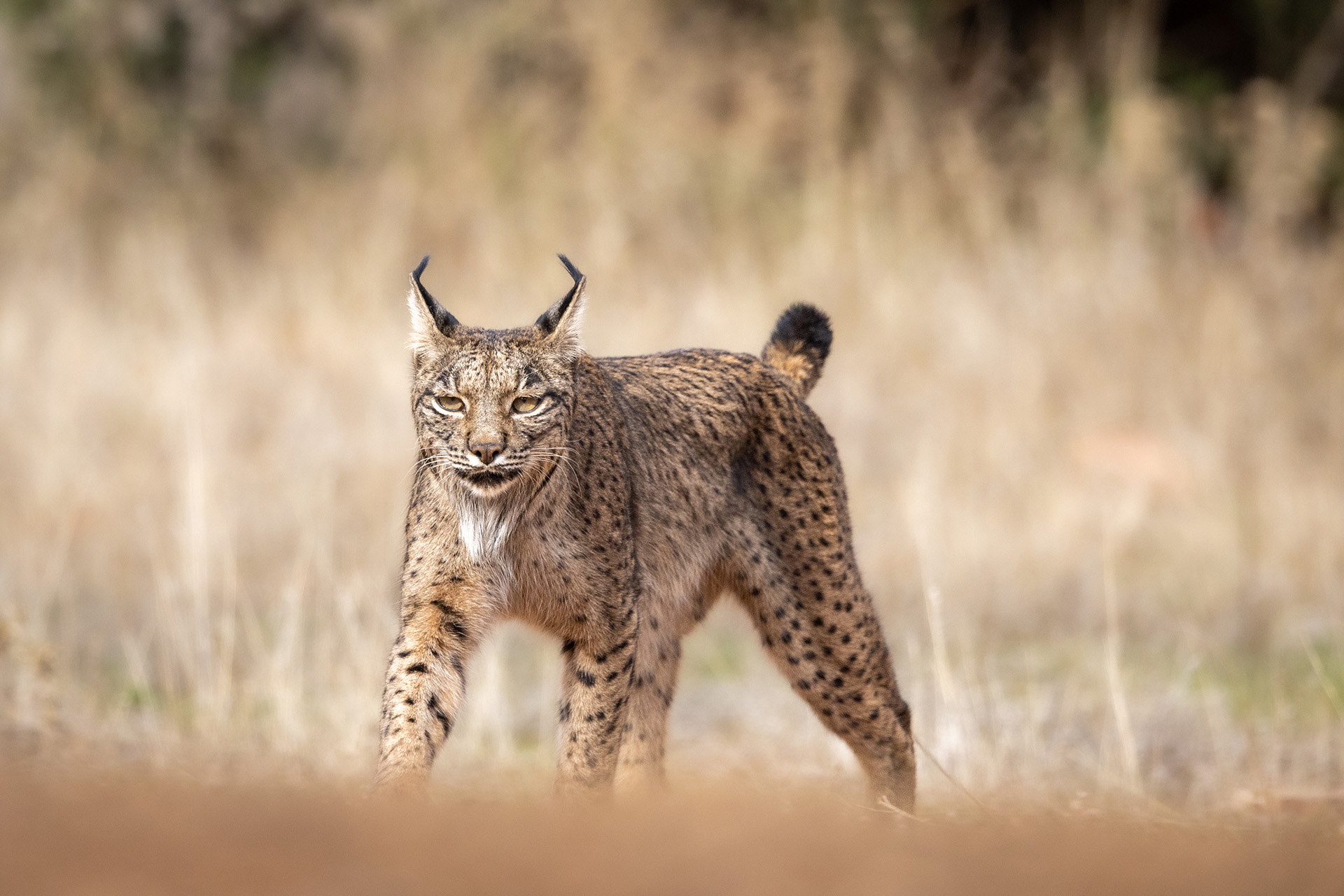
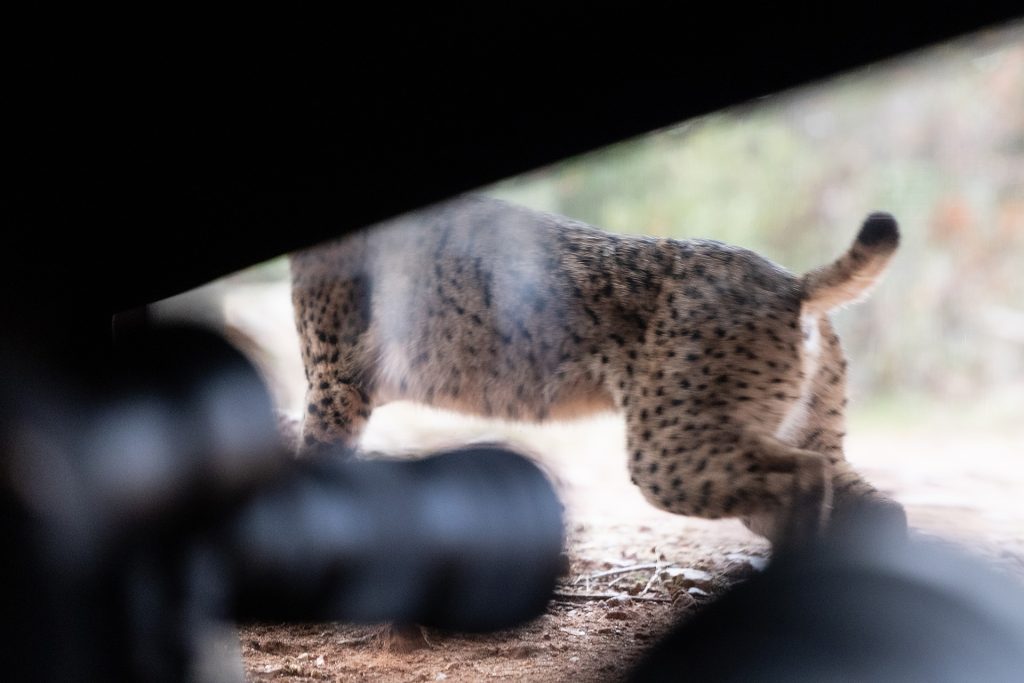
Soon, the reason becomes clear. First, there is movement behind the bushes. Then one of the world’s rarest wild cats steps into view—the Iberian lynx.
Nature Photography as a Tool for Conservation
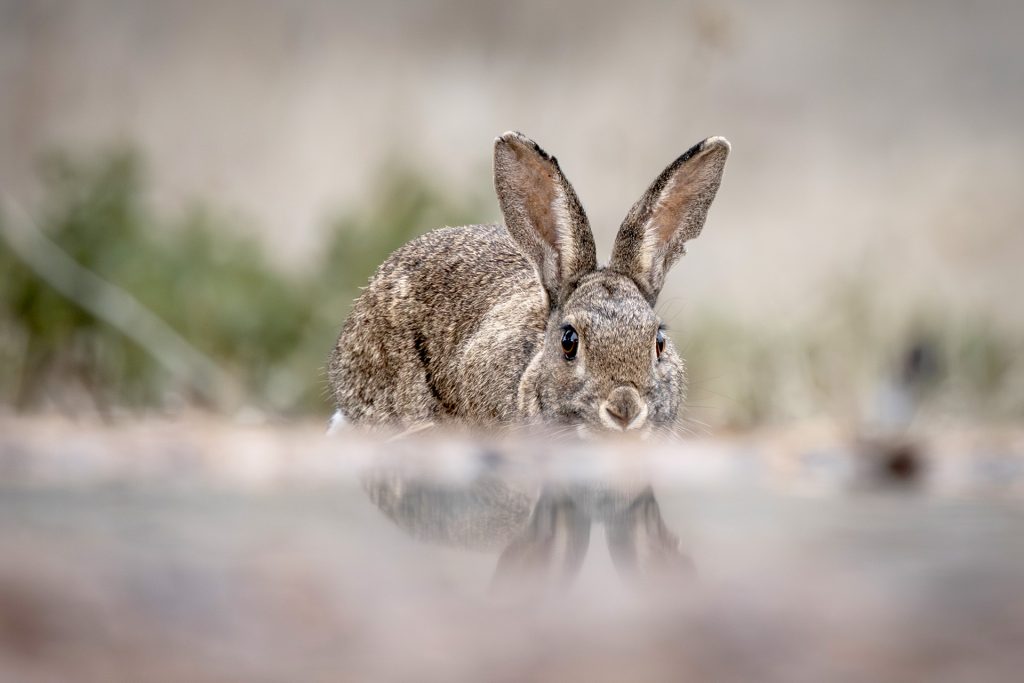
Located in southern Spain, on the northern foothills of the Sierra Morena range in the province of Ciudad Real, the Peñalajo and El Aprisco estates are known for their high densities of partridges and wild rabbits. Around ten years ago, critically endangered Iberian lynxes were also discovered in the area.
In response, WWF, in close cooperation with local landowners and regional and national authorities, launched a conservation project aimed at restoring the Iberian lynx population. Through targeted habitat management and long-term protection measures, the initiative proved highly successful. Two years later, once the population had begun to recover, plans were made to develop photography opportunities around the lynxes. Today, approximately 1,300 photographers visit the area each year, half of them from outside Spain. Wildlife photography tourism creates jobs and supports the local economy.
“We are extremely proud of this project,” says Liébana. “Hunting of partridges and rabbits, which previously took place in the area, has also declined in favour of protecting the lynxes.”
The benefits of conservation extend beyond the lynxes themselves. For example, populations of little bustards in the area have also recovered.
The Placement of Hides
Wildlife photography is often based on baiting, but this practice is strictly prohibited in Sierra Morena.
“The rabbit population here is so abundant that lynxes wouldn’t even be interested in artificial food,” Liébana explains.
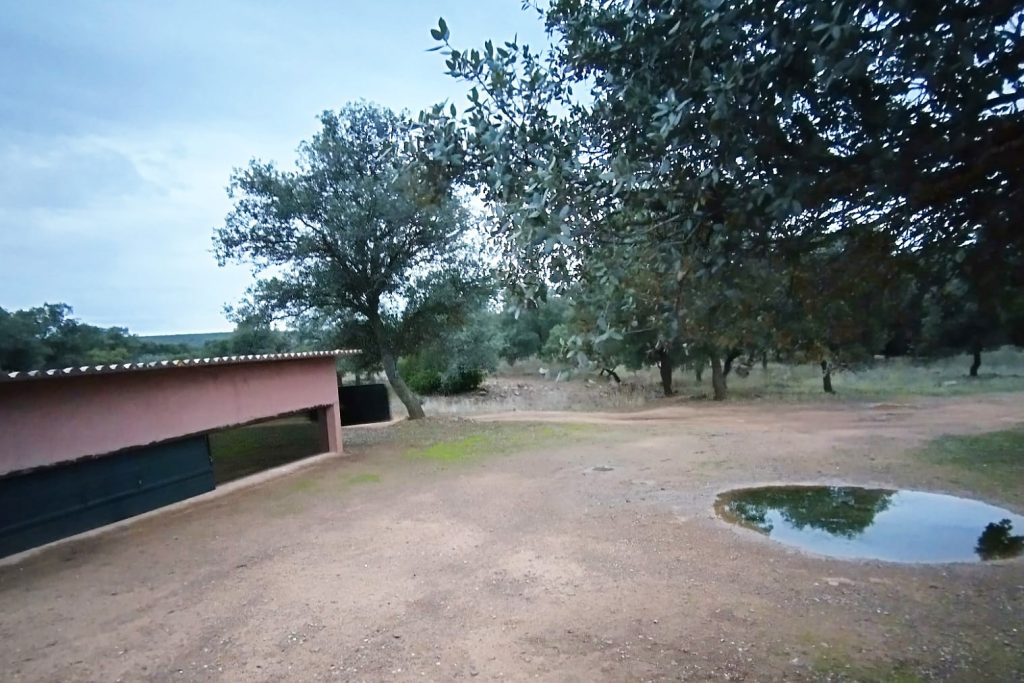
Across the vast area, there are around twenty photography hides. How have they been successfully positioned without the use of baiting? According to Liébana, the movements of the lynxes have been carefully observed, and their preferred routes mapped over time. Artificial water points have been constructed at the intersections of these routes. During dry periods—from May to September in particular—these water sources attract animals coming to drink.
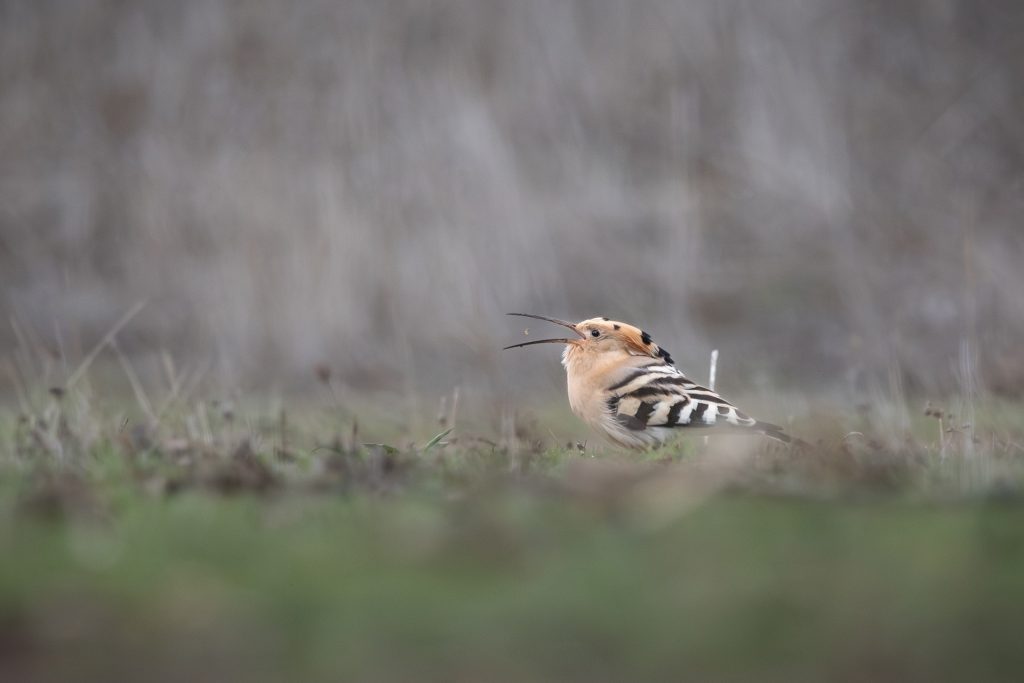
In addition to basic survival needs, territorial marking and nursing cubs require sufficient access to water. The hides built near the water points offer exceptional photographic opportunities: not only do lynxes visit them, but so do other mammals and birds—both to drink and to bathe.
Tips for Photographing Iberian Lynx
Especially during the hot summer months, lynxes are most active during the first and last light of the day. In the middle of the day, they tend to rest. In winter, however, during the mating season, lynxes may be active at any time of day—particularly on overcast days.
In winter, spending time in the hides during daylight hours can be rewarding, unlike in summer when they become unbearably hot. Regardless of the season, photographers enter the hides well before sunrise. Since it is still dark, camera settings should be adjusted in advance before settling in.
“If a lynx stops at the water point, even in low light a shutter speed of 1/100 is sufficient, because really only the animal’s tongue is moving,” Liébana notes. “By keeping the aperture as wide as possible, the ISO can remain low.”
Then it’s just a matter of mounting the camera on a tripod and waiting. The most important thing is to stay focused on the surroundings—not chatting with fellow photographers or scrolling on your phone. A passing lynx can easily go unnoticed otherwise.
See also photographs taken by Terhi Paavola during Antonio Liébana’s workshop in December 2025..